Filming on Black Hills Ground
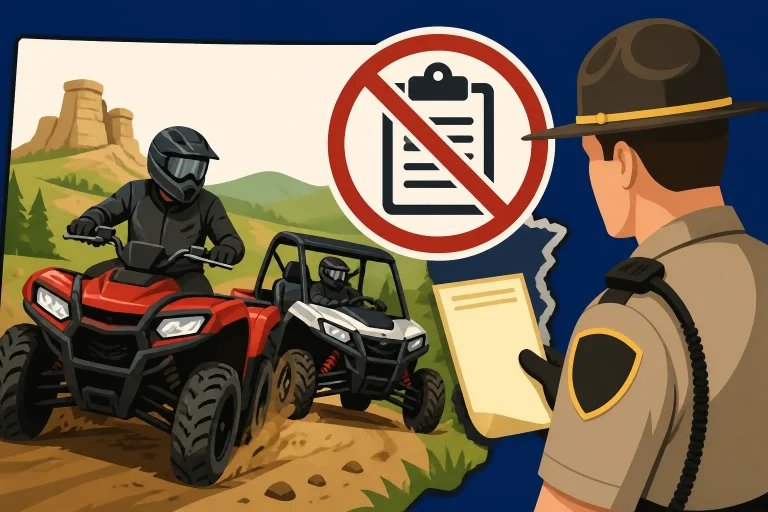
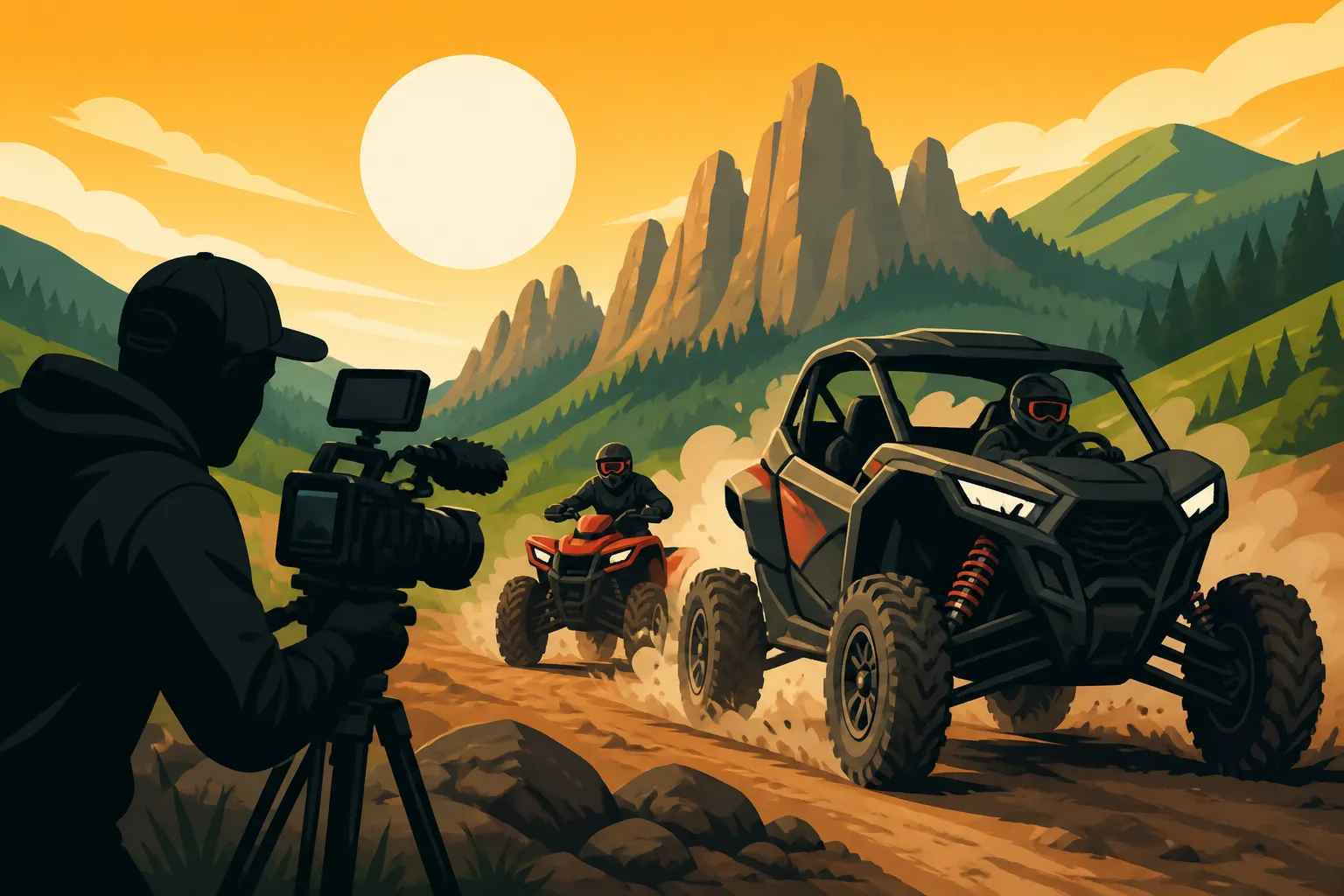
Filming an ATV or UTV ride in the Black Hills can be as simple as recording a personal trip—or can require advance permission if it is a commercial production or affects public-land use. The key is to identify who manages the ground, explain what your shoot involves, and confirm requirements before bringing a crew, staging equipment, or promoting a paid project.
First identify who manages the filming location
“Black Hills ground” can mean several kinds of land, and the rules depend on the owner or manager—not just on whether the location looks like a forest or trail. A route may cross federal forest, private property, state-managed land, or a recreation area with its own operating rules. Permission for one part of a shoot does not automatically cover the next.
Start with the exact proposed filming locations, including your parking or staging area. For a Forest Service route, contact the responsible Black Hills National Forest office. For other land, ask that land’s managing agency or owner. If you are unsure who manages a spot, provide a map pin or route map when you ask; a general description such as “near Deadwood” may not be enough to identify the right contact.
The filming plan matters too. A rider recording a personal outing is different from a production that brings a crew, follows a script, stages repeated passes, sets up lighting, or uses a location to promote a business. The land manager can tell you whether your activity requires authorization and which process applies. Don’t assume that a camera alone triggers a permit, or that calling a shoot “personal” settles the question if the actual activity is more involved.
| Filming situation | What to check first |
|---|---|
| Personal ride footage with a handheld camera or small mounted camera | Confirm ordinary riding rules, route access, and any restrictions on equipment or locations |
| Promotional or commercial video | Ask the land manager whether commercial filming authorization is required |
| Crew, lighting, staged action, repeated takes, or equipment setup | Describe the full footprint and ask about permits, site limits, and scheduling |
| Organized ride or event being filmed | Check event requirements as well as filming requirements |
| Private property or a business location | Get permission from the owner or operator, separately from any public-land authorization |
A trail permit, vehicle plate, or permission to ride does not necessarily authorize a film production. They address different things: riding access and filming activity. For example, a motorized trail permit does not by itself approve a crew’s use of a staging area. See South Dakota Trail Permits Explained and South Dakota Rules for Riding Federal Land for the separate riding-access questions.
When filming may need advance authorization
There is no reliable one-line rule that covers every shoot. A short personal recording may fit within ordinary recreational use, while a production that involves commercial purposes, additional equipment, organized activity, or impacts beyond normal riding may need formal review. The responsible land manager—not a production company’s assumption or another rider’s past experience—can determine what applies to your project.
When you contact the manager, describe the shoot as it will actually happen. Include whether you will earn revenue from the footage, promote a product or service, or produce work for a client. Explain the number of riders and crew members, vehicles involved, filming dates, planned locations, and any staging or parking needs. Mention tripods, lights, drones, props, temporary structures, or repeated passes if you plan to use them. Even if an item seems minor, it can affect access, safety, resource protection, or how much of a site your group occupies.
A shoot may also involve more than one approval. For instance, public-land filming authorization is separate from permission to ride a particular route, landowner consent, and any event authorization. If you plan to guide riders for pay, that activity can bring its own requirements; see Guiding Riders for Pay in the Hills. Likewise, a group ride with a filming component may need to be reviewed as an organized activity, not just as a collection of individual riders. South Dakota Rules for an Organized Ride can help you identify that distinction.
Ask the land manager directly whether your proposal needs a filming permit, a special-use authorization, another approval, or no separate filming authorization. Requirements can depend on the location, purpose, scale, and potential effects of the activity. Avoid relying on broad claims found in a forum or on a permit issued for a different location or production.
Also ask whether there are limits on the proposed date, route, crew size, equipment, or staging area. A location that is open to ordinary riding may still be unsuitable for a production at a particular time, or may be subject to closures or resource protections. Check current conditions and notices before you commit to a schedule. South Dakota Trail Closures to Check First and Reading a Black Hills Travel Map are useful starting points for trip planning, but they do not replace a land manager’s decision about filming.
How to prepare a clear request
A complete, concise description helps the land manager understand what you want to do and tell you which steps to take. Contact the right office early, especially if your shoot depends on a specific date, a group, or equipment that takes time to arrange. Do not treat silence or an unanswered message as approval.
- Pin down the locations. List the specific trails, roads, overlooks, parking areas, and other sites you want to use. Include a map or clear location references, and note any route segments outside the land manager’s jurisdiction.
- Explain the purpose. Say whether the footage is personal, promotional, client work, or part of a paid production. Be direct about how the video will be used.
- List everyone and every vehicle. Give the expected number of riders, crew, and support vehicles. Explain whether the crew will travel with the riders or set up separately.
- Describe the equipment and activity. Include cameras, mounts, tripods, lighting, sound gear, drones, props, and any staged action or repeated takes. Ask separately about equipment that may have additional rules.
- State your schedule and footprint. Provide proposed dates and hours, where you plan to park, how long you expect to occupy each spot, and whether you need a base or staging area.
- Ask what authorization is needed. Request the correct application or review process, any conditions you must follow, and whether separate permissions apply to other land or activities.
- Wait for confirmation before filming. Keep written approval and any permit conditions accessible to the production lead. If your plans change, ask whether the change needs approval.
Treat the review as a planning step, not a last-minute formality. A land manager may need time to assess site impacts, coordinate with other users, or discuss conditions. If the proposed shoot is large or complicated, ask what information should be submitted before making bookings or announcing a filming date.
A practical request is specific without being padded. “We want to film a small promotional video in the Black Hills” leaves too much unanswered. A stronger description states the land, locations, dates, crew and rider count, vehicles, equipment, intended use, and whether the shoot includes staged riding. If you do not know the exact route yet, say so and ask how to proceed rather than presenting a tentative route as settled.
Filming responsibly on the day
Once you have the necessary permissions, follow their conditions and the rules for ordinary riding. Stay on routes open to your machine, respect closures, and avoid blocking trails or interfering with other visitors. Don’t create a new route or move barriers to get a better shot. An approved filming location does not mean every nearby road or trail is open.
Keep the production’s footprint small. Park only where permitted, keep support vehicles out of sensitive areas, and pack out waste and production materials. Do not disturb wildlife, vegetation, or cultural or historic features for a camera angle. If weather, fire, a closure, or a resource concern affects the plan, stop and contact the land manager rather than improvising a new location.
Mounted cameras and other gear should be secured so they do not interfere with steering, visibility, or safe operation. If a crew member is filming near a trail, establish a safe position away from moving machines and make sure riders know when filming is happening. Avoid stopping in a blind corner or creating repeated passes that surprise other trail users. A safer shot is not worth disrupting traffic or putting a rider, crew member, or visitor at risk.
Drones deserve a separate check. Rules can depend on the specific airspace, land manager, and purpose of the flight. Do not assume that permission to ride or film from the ground also covers a drone. Tell the land manager if you plan to use one, and confirm any applicable aviation and site requirements before flying.
If you intend to buy simple camera mounts or protective accessories, Amazon may be one place to compare options, but check that a mount fits your machine and does not compromise control or visibility. Equipment choice does not substitute for land authorization, and a product listing cannot confirm whether your planned use is allowed at a particular site.
Before leaving, make sure the crew has the contact details for the person responsible for the permit or authorization. Keep the approved route and conditions available, and make sure everyone understands what areas are off limits. If the actual shoot grows beyond the approved plan—more riders, extra vehicles, additional equipment, or a different location—pause and ask whether the change needs review.
Planning the land access and filming approval separately from riding permits makes the process clearer. Identify the manager, give an accurate account of the production, and wait for confirmation before staging a shoot. That approach helps avoid a wasted trip and reduces the chance of interfering with other users or the land itself.
Disclaimer
This article is for general informational purposes only and does not constitute professional advice. Laws, prices and regulations vary by location and change over time. Consult a qualified professional for guidance on your specific situation.