Selling a Machine With the Permit Decal Stuck On
Selling a South Dakota ATV or UTV with its motorized trail permit decal still attached raises a practical question: can the buyer ride with it, or must they get another permit? The answer depends on the permit type, its validity period, and whether it applies to that machine after the sale. Keep the decal intact, document the handoff, and verify the permit before riding.
First identify which permit is on the machine
A sticker on an ATV or UTV is not automatically a title, registration, or road-use permit. South Dakota has different requirements for different kinds of riding, so identify the decal before treating it as part of the sale.
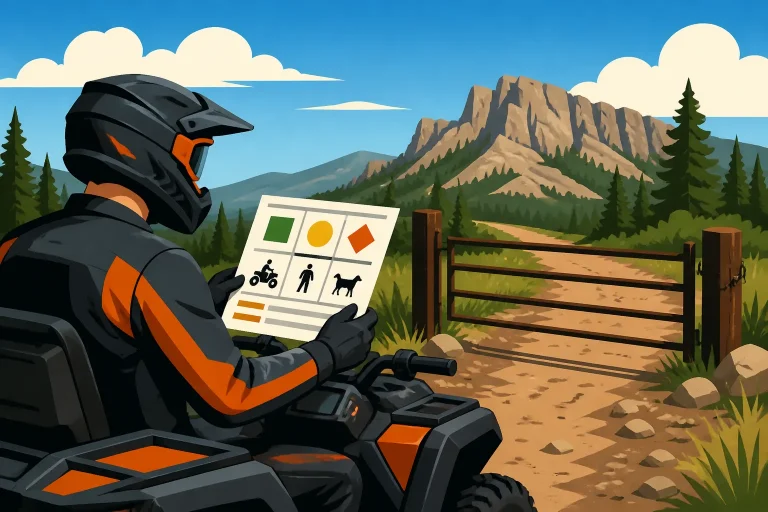
The Black Hills motorized trail permit is a stick-on decal for machines using the designated motorized trail system. It is generally a permit for the machine, not a separate pass for each person riding it. That distinction matters when ownership changes: the buyer should check whether the decal is valid for the machine and riding area, rather than assume a permit belongs to the seller personally. The permit rules and display requirements are covered in South Dakota’s Motorized Trail Permit and One Permit Per Machine, Not Per Rider.
A motorized trail permit is not the same as a nonresident ORV permit. The nonresident permit applies to a different use and has separate requirements. Nor does a trail permit replace a plate or other authorization needed for road use. A permit that covers one type of riding should not be presented as permission for every road, trail, or public area. See Why a Plate Does Not Replace a Trail Permit if the buyer expects to use the machine on roads as well as trails.
| What the decal or document may be | What to check before the sale |
|---|---|
| South Dakota motorized trail permit decal | Permit period, machine identity, decal condition, and the rules for use after a sale |
| Nonresident ORV permit decal | Whether it is the permit required for the buyer’s intended riding and whether the permit remains valid |
| License plate or registration | Whether the machine is authorized for the particular road use and whether ownership paperwork is being transferred |
| Dealer, event, or other sticker | What it authorizes, who issued it, and whether it is still valid |
If you are not sure what the decal is, check its wording and any associated receipt or permit paperwork. A sticker may be hard to read after mud, weather, or cleaning. Do not guess based only on its color or location. The description of Why a South Dakota Trail Permit Is a Stick-On Decal can help distinguish the trail permit from other paperwork, but the issuing office is the best place to confirm an unclear permit.
What to do with the decal when you sell
Because the permit is a physical decal, removing it can damage it or make it unusable. If it is attached to the machine you are selling, leave it in place unless the issuing authority tells you otherwise. Do not peel it off to give to the buyer separately, and do not move it to another machine. A decal attached to one vehicle should not be treated as a transferable pass for a different vehicle.
The central question is whether the existing permit remains valid for the same machine after the change of ownership. Do not promise that it does unless you have confirmed the rule for that permit. Permit terms can distinguish between a permit associated with a machine and one issued to a particular applicant, and the outcome may also depend on the permit type or period. Contact the agency or office that issued it and ask what the buyer may rely on after the sale.
When you call, have useful details ready:
- Identify the permit as clearly as you can, including the permit year or expiration information.
- Provide the machine’s make, model, and VIN if requested.
- Explain that the machine is being sold with the decal still attached.
- Ask whether the decal remains valid for the new owner, whether the buyer needs to submit anything, and whether a replacement or new permit is required.
- Ask what proof the buyer should carry, such as a receipt or permit paperwork.
Get the answer before the buyer plans a ride. If the buyer cannot confirm the permit’s status, the safe option is to obtain instructions from the issuing office before using the machine on a trail that requires a permit. A decal that looks current is not enough proof by itself if its period, machine association, or transfer status is uncertain.
The annual permit period also matters. A decal that is valid for the current season does not necessarily cover later rides after that period ends. South Dakota’s annual permit validity runs through December 31, but confirm the expiration and conditions for the specific decal rather than relying on appearance. The buyer may need to obtain a permit for a later period even if the existing sticker stays attached.
If the machine has a permit receipt, application, or other permit record, give the buyer a copy and keep your own record of the sale. Do not hand over paperwork that identifies you as the permit holder without asking whether it should be retained, transferred, or updated. The issuing office can explain what to do with the record. For current sales paperwork and ownership steps, see Selling an ORV in South Dakota and South Dakota ATV Title Transfer.
Make the permit part of a clear handoff
A clean sale separates three things: ownership documents, road-use credentials, and trail permits. The machine’s title or bill of sale establishes the transaction; a plate or registration may relate to road use; and a trail permit is for specified riding access. One does not automatically substitute for the others.
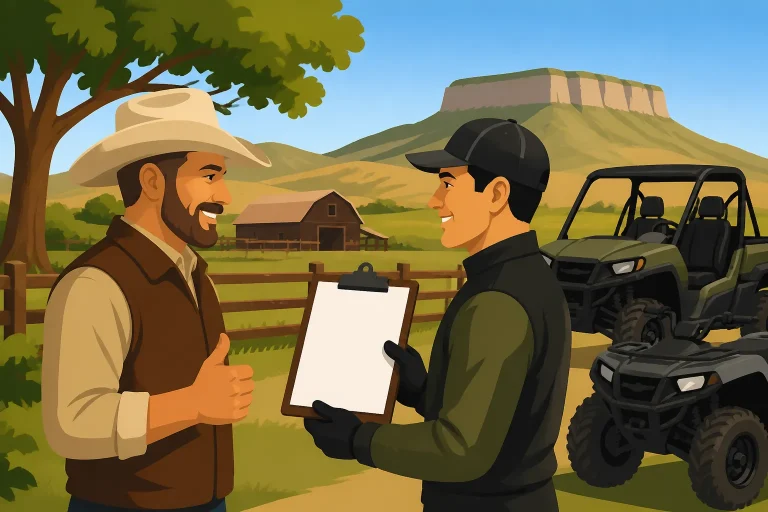
Before completing the handoff, inspect the decal with the buyer. Note its location and condition, and make a clear record of the machine’s VIN and the decal. If you have a receipt or permit paperwork, identify what it is and provide a copy. Avoid writing on or altering the decal. If it is peeling, damaged, or unreadable, ask the issuing office how to handle it rather than trying to repair or replace it yourself.
Put the permit status in writing as a factual note, not as a guarantee. For example, the sale paperwork can say that a decal was present on the machine at handoff and that the buyer should confirm its validity with the issuing authority. Do not represent that a decal authorizes riding unless you have verified that claim. This is especially important if the buyer is traveling to the Black Hills or intends to ride soon after purchase.
The buyer should also confirm where the permit is required. A trail permit does not necessarily apply to private property, every public road, or every public riding area. Likewise, a valid road plate does not necessarily satisfy a trail-permit requirement. Check the rules for the planned riding location and machine before setting out.
If the buyer needs a new decal or permit, ask where it can be purchased and how it must be displayed. Availability and application procedures can vary by permit type. Where South Dakota Trail Permits Are Sold provides related information; confirm current options with the issuing office before making a trip or relying on a mailed decal.
For sellers, the simplest approach is to avoid removing a decal or making assumptions about transferability. Tell the buyer what you know, provide relevant records, and direct them to verify the permit’s status. For buyers, the simplest approach is to treat an attached decal as a question to resolve, not as proof that the next ride is covered. If the authority confirms it remains valid for the same machine, keep any confirmation or permit record with the machine’s documents. If not, follow the instructions for obtaining the required permit before riding.
Disclaimer
This article is for general informational purposes only and does not constitute professional advice. Laws, prices and regulations vary by location and change over time. Consult a qualified professional for guidance on your specific situation.