What Happens When a South Dakota County Bans Ditch Riding
Navigating the rules for riding your ATV or UTV in South Dakota can feel like a maze, especially when it comes to ditch riding. One minute you're cruising along a perfectly legal section of roadside, and the next you might be wondering if you've crossed an invisible line. This guide is here to untangle the complexities of what exactly happens when a South Dakota county decides to ban ditch riding, helping you understand where you can and cannot go.
Understanding South Dakota's Ditch Riding Rules
Before we dive into what happens when a ban is in place, it's essential to grasp the baseline. South Dakota's approach to ATV and UTV use in highway ditches is quite unique, and often, quite accommodating. It's a system built on local control, which means the rules aren't uniform across the entire state, leading to some of that confusion we all feel.
The Default Rule: Ditch Riding is Permitted
Generally speaking, in South Dakota, riding your ATV or UTV in a public highway ditch is permitted. This isn't a free-for-all, mind you, but it's an important starting point. The state law outlines specific conditions, often referred to as the "outer edge rule," which dictates how far you can ride from the paved or graveled portion of the road. These ditches are not just for vehicles; they also serve vital purposes like drainage for the road and sometimes even house utility lines. For many riders, these ditches offer a convenient way to get from one place to another, access private land, or simply enjoy a scenic ride without having to trailer their machine everywhere. Think of it as a designated, albeit narrow, travel corridor for your off-road vehicle. [South Dakota's Ditch Riding Rule] provides a good overview of these default allowances.
The idea behind this default permission is to provide reasonable access for landowners, farmers, and recreational riders without requiring every machine to be street-legal on the pavement itself. For instance, a rancher might use the ditch to move between fields or check fences, or a hunter might ride a short distance along a section line ditch to reach their hunting spot. It's about practical access in a largely rural state. You'll often see machines cruising along these grassed or gravel shoulders, especially in less populated areas, operating under the assumption that they are following the [South Dakota Ditch Riding Rules Explained]. This freedom, however, comes with a caveat: the state allows individual counties to change this default.
How Counties Can Opt Out
This is where the patchwork of rules really comes into play. While the state gives a general green light to ditch riding, it also empowers individual counties to say "no." A county isn't just born with a ban; it has to actively choose to implement one. This process typically involves the county commission or board passing a formal resolution or ordinance. They have to go through a public process, often including hearings and discussions, before making a final decision. The reasons for opting out can vary widely, from concerns about safety due to increased traffic, to environmental impacts, or even complaints from landowners about noise or property access.
Once a county decides to ban ditch riding, it's a significant change for riders within its borders. It means that the default state rule no longer applies there. This local control means that as you travel across South Dakota, you can't assume the rules in Lawrence County are the same as those in Meade County, or even across the state line in a place like Minnesota. Understanding [How a South Dakota County Opts Out of Ditch Riding] is crucial for appreciating why these bans exist and why they are not universal. This ability for a county to opt out creates a strong need for riders to be informed about the specific regulations of their riding area, which can feel like a constant effort to stay up-to-date.
What Changes When a County Bans Ditch Riding
When a South Dakota county actively opts out of the state's general ditch riding allowances, the landscape for riders within that county shifts dramatically. It's not just a minor tweak; it's a fundamental change to where you can legally operate your ATV or UTV.
Where You Can No Longer Ride
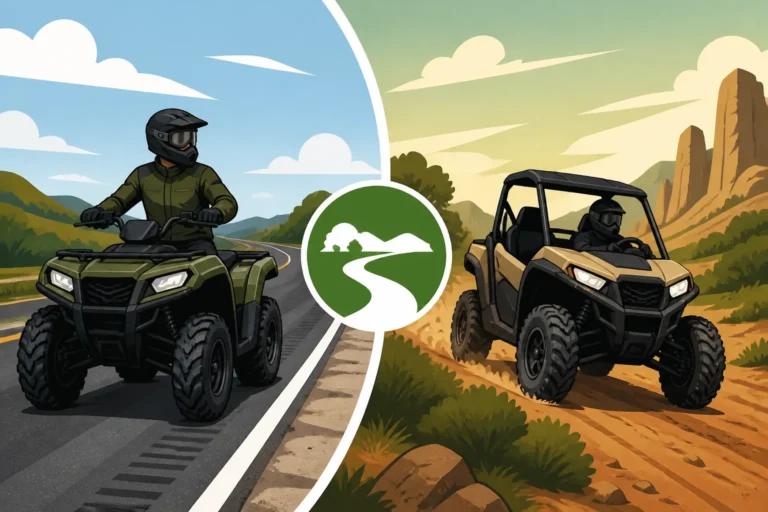
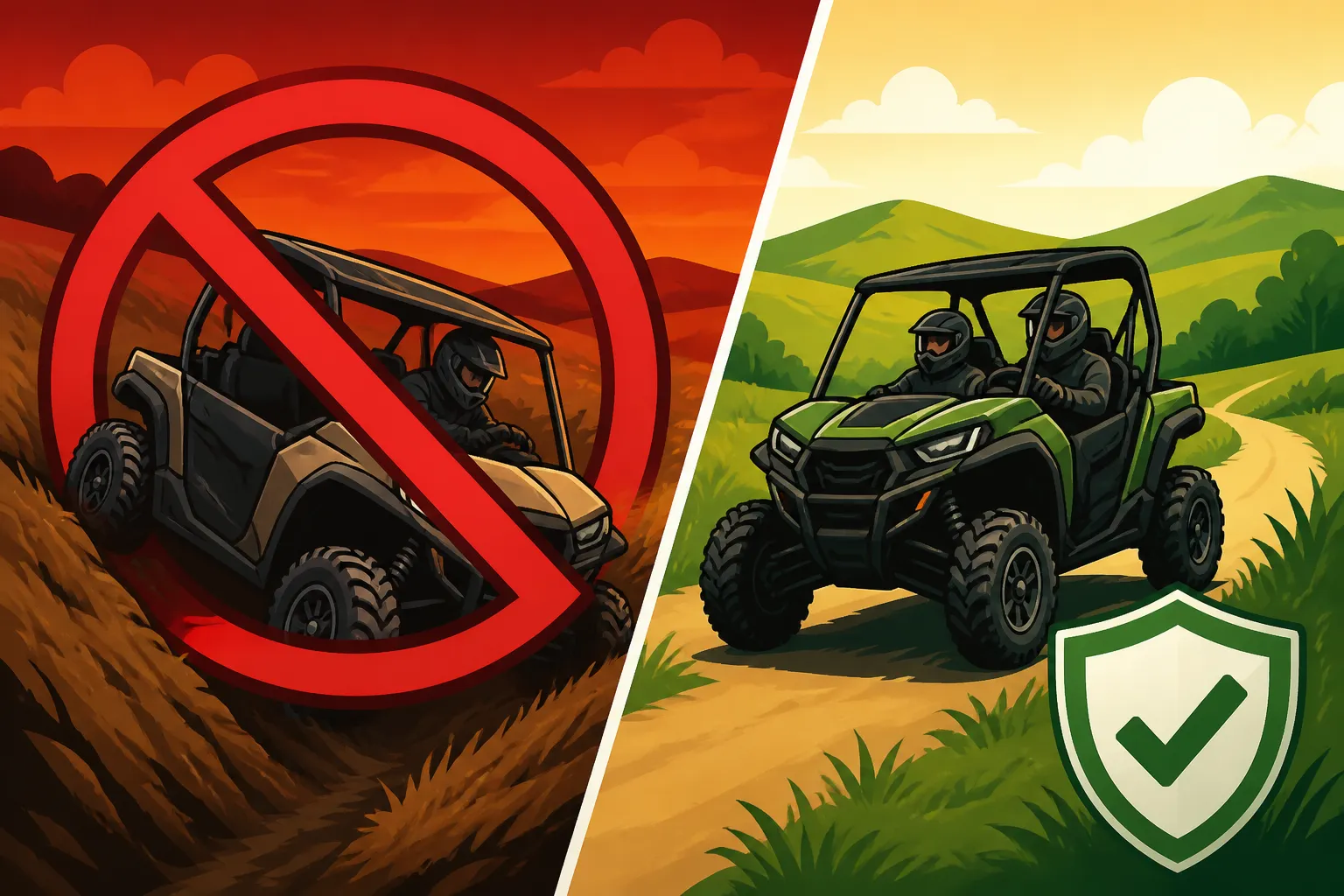
The most immediate and obvious change is that public road ditches within that county's jurisdiction become off-limits for ATV and UTV operation. This prohibition typically extends to all ditches adjacent to county highways, township roads, and in some cases, even state highways that run through the county, though state highways often have their own layer of rules. Imagine planning a multi-county trip: you might legally ride the ditches in one county, only to cross an invisible border into a neighboring county where doing the exact same thing could land you a citation. This means that routes you once took for granted, perhaps to get to a favorite fishing spot or a friend's farm, might now require trailering your machine, using designated trails, or finding an alternate route.
This can be particularly frustrating for locals who have always relied on these ditches for access. For visitors, it's even more challenging, as they might not be aware of these localized prohibitions. This is why knowing which [South Dakota Counties That Ban Ditch Riding] exist is so vital. It’s not just about the pavement; it’s about the entire right-of-way that borders it. While some machines, particularly those outfitted with quality tires and suspension like those from SuperATV, might handle various terrains with ease, they still must respect legal boundaries, regardless of their capability.
Unchanged Rules: Crossings and Agricultural Exemptions
Even when a county has a ditch riding ban in place, not all rules change. There are two very important exceptions that generally remain consistent: highway crossings and agricultural/utility exemptions. First, even in a county where ditch riding is banned, riders are almost always still permitted to cross a highway ditch to access legal riding areas or private property. This is a crucial distinction. You can't ride along the ditch, but you can typically traverse it directly to get to where you need to go, provided you do so safely and quickly. This ensures that a ban doesn't completely cut off access to land or trails that are otherwise legal to reach. The state is very clear on [Why No County May Bar a Crossing].
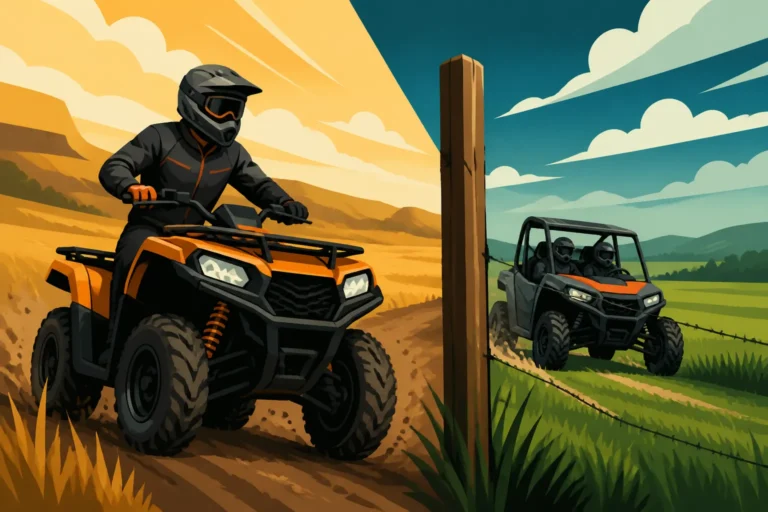
Secondly, vehicles used for legitimate agricultural purposes or by utility companies are generally exempt from these ditch riding bans. This means a farmer can still drive their ATV or UTV in the ditch to check crops, move equipment, or mend fences on their land, even if recreational riders are prohibited. Similarly, utility workers can use their machines to access and maintain power lines or other infrastructure. These are not recreational uses; they are essential for livelihoods and public services. So, while you might see a farmer on their quad in a "banned" ditch, it doesn't mean the ban has been lifted for everyone. These [Agricultural and Utility Vehicles Exempted] provisions are designed to ensure vital work can continue unimpeded.
Navigating a County Ditch Riding Ban
Knowing that a county can ban ditch riding is one thing; actually figuring out if and where such a ban exists, and then complying with it, is another challenge entirely. It requires proactive effort from the rider to avoid potential legal issues.
Identifying Banned Areas and Regulatory Signs
So, how do you, as a rider, know if you're entering a county with a ditch riding ban? The primary way is through clear regulatory signage. South Dakota law requires counties that have opted out of ditch riding to post regulatory signs at their county lines and at the entrance to any affected road ditches. These signs are there to inform you that the rules have changed. They might state something like "No Off-Road Vehicles in Ditches" or similar wording. It's not always a huge billboard; sometimes it's a smaller sign that's easy to miss if you're not actively looking for it, especially when focused on the road ahead. [Reading the Regulatory Sign at a Ditch Entrance] is more than just a suggestion; it's a necessity.
Beyond looking for signs, it's always a good idea to do a little homework before you head out, especially if you plan to explore new areas. You can contact the county treasurer's office, the county sheriff's department, or even check the county's official website for ordinances. Unfortunately, there isn't one central statewide map that clearly shows all county-specific ditch riding bans, so it often falls on the rider to investigate. Being prepared means you can adjust your route or have an alternative plan, saving you from a potential run-in with law enforcement.
Consequences of Riding in a Banned Ditch
Riding your ATV or UTV in a ditch that has been legally banned by a county can lead to various negative consequences. For starters, you'll likely face a citation from law enforcement. A South Dakota Trooper, or even a local sheriff's deputy, will be checking for compliance with these local ordinances. What [What a South Dakota Trooper Checks Roadside] can include proof of ownership, appropriate registration, and adherence to local riding rules. If they observe you riding in a prohibited ditch, they have every right to pull you over.
The penalties can range from a simple fine to more severe consequences. Depending on the specific county ordinance and the discretion of the officer, it could even escalate to a Class 2 Misdemeanor. [What a Class 2 Misdemeanor Costs a Rider] can be significant, including substantial fines and potentially other legal repercussions. Beyond the legal troubles, there's also the risk of alienating local residents and landowners, which can lead to further restrictions or less tolerance for riders in the future. It's not just about avoiding a ticket; it's about being a responsible member of the riding community and respecting the local rules that are in place for everyone's safety and enjoyment. Therefore, always verify the local rules before hitting the ditches.
| Aspect of Ditch Riding | In a County Where Ditch Riding is Permitted | In a County That Has Banned Ditch Riding |
|---|---|---|
| General Riding | Generally allowed under state law | Prohibited on public road ditches |
| Highway Crossings | Always allowed for safe access | Always allowed for safe access |
| Agricultural Use | Exempt from recreational rules | Exempt from recreational rules |
| Signage | Absence of specific regulatory signs | Required regulatory signs posted |
| Legal Outcome | Legal, if state rules followed | Citation, fines, potential misdemeanor |
| Information Source | State law, absence of county ordinance | County ordinances, local law enforcement, signage |
Disclaimer
This article is for general informational purposes only and does not constitute professional advice. Laws, prices and regulations vary by location and change over time. Consult a qualified professional for guidance on your specific situation.