Ditch Riding Is Legal Until a County Opts Out
It can be incredibly frustrating to hit the open road – or, more accurately, the roadside ditch – on your ATV or UTV in South Dakota, only to wonder if you're actually allowed to be there. You see other riders, but the rules often feel like a tangled mess of "can I or can't I?" This guide is here to untangle that for you, explaining precisely how ditch riding works in the Mount Rushmore State and empowering you to ride confidently and legally.
Understanding South Dakota's Ditch Riding Rules
Let's get straight to the heart of the matter: South Dakota has a fairly unique approach to off-road vehicle (ORV) use in ditches. Unlike some states where ditch riding is universally banned or permitted, South Dakota operates on a principle of local control. This means that while there's a general rule, individual counties have the power to change it within their own boundaries. It's a key distinction that every rider, whether you're a long-time resident or just visiting for the incredible Black Hills riding, needs to understand.
The Default Rule: Legal Until Opt-Out
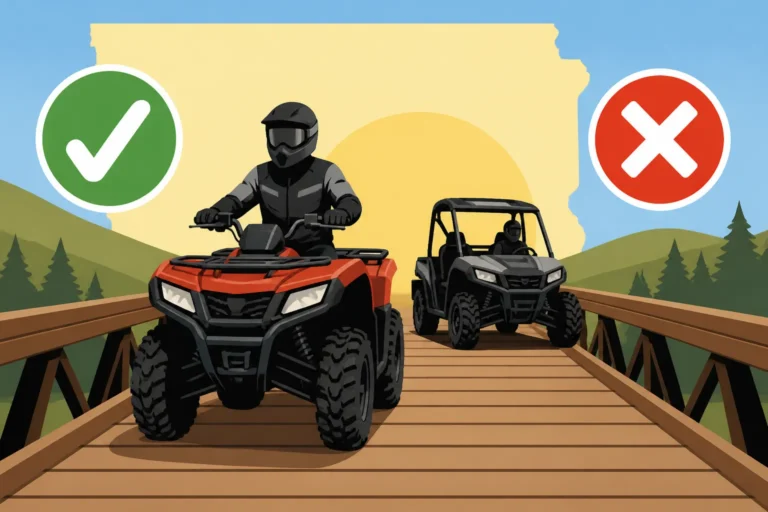
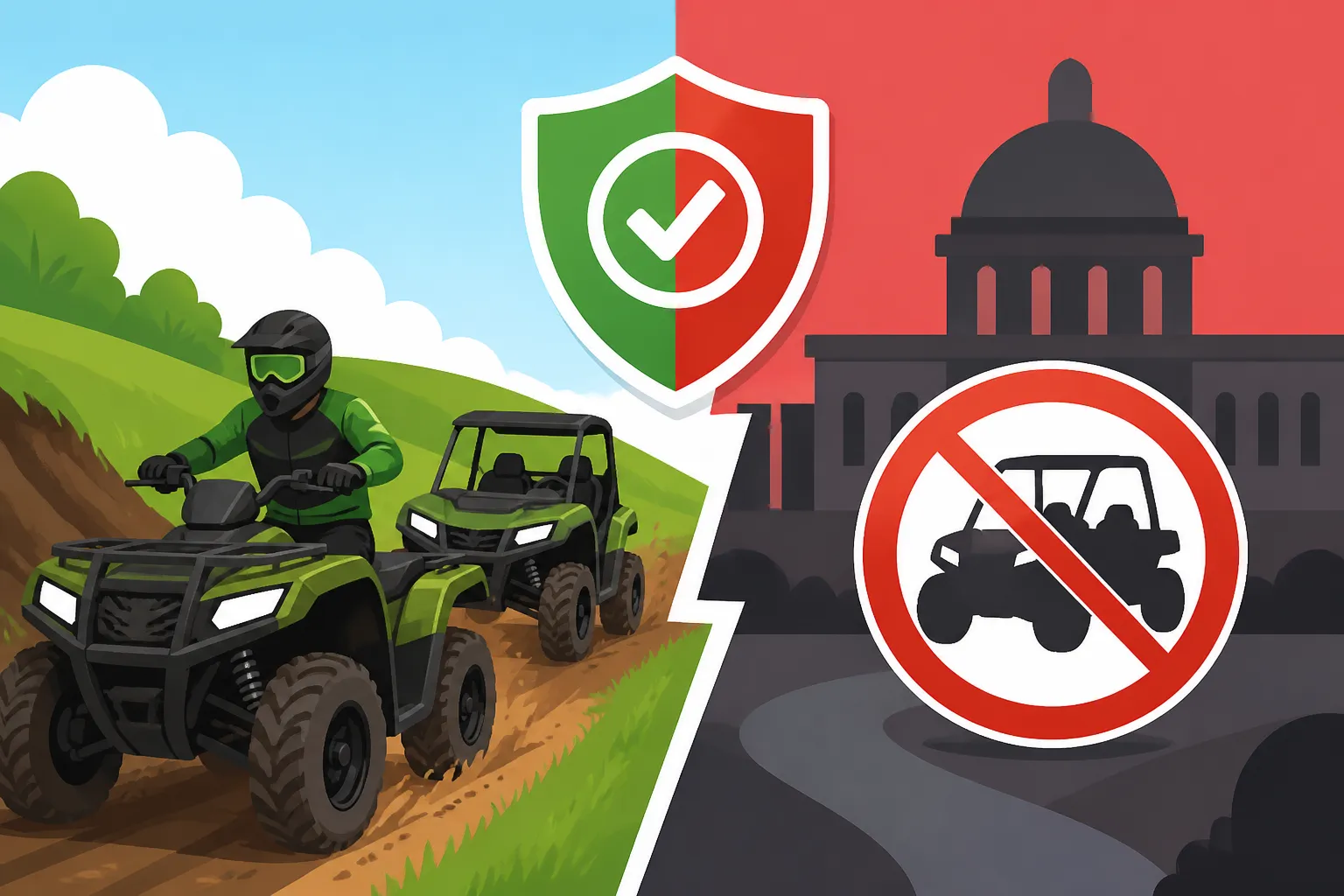
The fundamental rule in South Dakota is this: ditch riding is permitted for ATVs and UTVs unless a specific county has taken action to ban it. Think of it as a green light that turns red only if a county decides to put up a stop sign. This means that if you're out exploring and you haven't seen any signs or heard of local ordinances, you can generally assume that riding in the ditch is fair game. This default legality often comes as a pleasant surprise to riders accustomed to stricter rules elsewhere. It acknowledges the widespread use of these machines for recreation and utility across the state's vast rural landscapes. However, this convenience comes with the responsibility of knowing your local area. You can't just assume the green light is always on; you have to be prepared for it to turn red.
How a County Opts Out
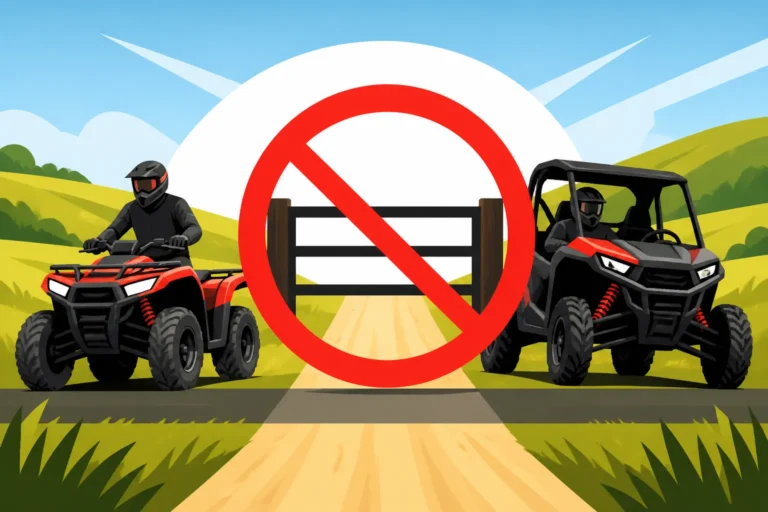
So, how does that green light turn red? A South Dakota county that wishes to prohibit ditch riding within its jurisdiction must officially "opt out." This isn't a casual decision; it requires a formal process by the county commission. They must pass an ordinance, essentially a local law, specifically stating that ditch riding is prohibited. But it doesn't stop there. For this ban to be enforceable and clear to riders, the county is also required to post clear, regulatory signs at reasonable intervals along the affected roadways, particularly where roads enter the county or where ditch riding is commonly accessed. [How a South Dakota County Opts Out of Ditch Riding] is a process designed to inform you, the rider. These signs are critical; without them, proving a rider knew about a ban becomes difficult. Imagine pulling up to a ditch access point and seeing a clear sign that says "No ORV Ditch Riding." That's the county's way of informing you that their green light has indeed turned red. The absence of such signage generally means the default rule still applies, but always double-check county websites or local government offices if you're truly unsure.
What "Ditch Riding" Actually Means
When we talk about "ditch riding" in South Dakota, we're not talking about driving your ATV or UTV in the actual paved or gravel travel lanes of a highway or road. That's a completely different set of rules, and often requires your machine to be [South Dakota Street Legal ATV Requirements] and [What South Dakota Requires to Plate an ATV]. Instead, ditch riding refers to operating your machine within the public right-of-way adjacent to the roadway. This typically includes the bottom of the ditch itself, the back-slope leading away from the road, and sometimes even the shoulder, provided it’s not part of the main traveled portion of the road. [South Dakota's Outer Edge Rule] helps define these areas. The idea is that you're off the main thoroughfare, using the undeveloped portion of the right-of-way. Riders often utilize these areas to travel short distances, access trails, or connect properties without having to load their machine onto a trailer. It's about using the undeveloped edges of the road system, not the road itself.
Important Exemptions and Limitations to Ditch Riding
While the opt-out rule is crucial, it's not the only factor. Even in counties where ditch riding is permitted, or where it's banned, there are specific situations and limitations every rider needs to be aware of. These exceptions are designed to ensure safety, facilitate necessary work, and sometimes, provide a pathway for continued travel even in restricted areas.
Crossing Highways and Roads
This is a really important one. Even in a county that has officially opted out and banned ditch riding within its boundaries, a key exemption usually remains: the ability to cross highways and roads. [Why No South Dakota County May Bar a Crossing] is a common point of confusion. You might not be able to ride along the ditch, but you're generally permitted to cross a paved or gravel road to get from one section of ditch or private property to another. This crossing must be done perpendicular to the roadway, at a right angle, and as safely and quickly as possible. You should always yield to oncoming traffic, essentially treating it like you would crossing a street on foot or in a car. It's not a free pass to weave through traffic, but a practical allowance for riders to navigate the road network when necessary. This distinction means that even if a specific stretch of ditch is closed, you aren't necessarily stranded on one side of a highway.
Age Restrictions for Ditch Riders
South Dakota has specific rules regarding the age of operators, especially when it comes to riding in ditches. Generally, a person must be at least 12 years old to operate an ATV or UTV in a ditch, and even then, they must be under the direct supervision of an adult who is at least 18 years old. [Twelve Years Old in a South Dakota Ditch] highlights this. This adult supervision rule is critical for safety, especially with younger, less experienced riders. Once a rider turns 18, the adult supervision requirement typically no longer applies. These age limits are put in place to ensure that riders have the necessary judgment, physical control, and understanding of the rules to operate these powerful machines safely in a dynamic environment like a roadside ditch, where unpredictable obstacles or changes in terrain can occur. Always check the specific age guidelines, as they are strictly enforced.
Agricultural and Utility Exemptions
South Dakota recognizes that ATVs and UTVs are not just for recreation; they are vital tools for many in rural areas. Because of this, there are often exemptions for agricultural and utility vehicles performing work-related tasks. For instance, a farmer using their UTV to check fences or move equipment along a field adjacent to a road may be exempt from certain ditch riding restrictions, even in opt-out counties. Similarly, utility workers maintaining power lines or pipelines might also operate within the right-of-way under these exemptions. [Agricultural and Utility Vehicles Exempted] covers these scenarios. These vehicles are considered essential for the livelihood and infrastructure of the state. However, it’s important to note that these exemptions are typically specific to the act of performing agricultural or utility work, not for recreational riding. If you're using your machine for leisure, these exemptions likely won't apply to you.
Equipment, Safety, and Enforcement for Ditch Riding
Beyond knowing where you can ride, understanding what equipment your machine needs, what safety gear you should wear, and the potential consequences of not following the rules is paramount. Riding safely and legally means more than just being in the right ditch; it means being prepared.
Essential Equipment for Road and Ditch Use
Even if you're primarily riding in ditches, there are times you might need to cross a road or temporarily ride on a shoulder. For these instances, your ATV or UTV must be equipped with certain items if you intend to make it street legal for any road use beyond just crossing. While ditch riding itself might not require a full suite of street-legal modifications, having basic safety equipment is just good practice. This often includes at least one rearview mirror (preferably two), a horn, and proper lighting (headlights, taillights, and brake lights). Brands like SuperATV offer a wide array of aftermarket accessories that can help you get your machine up to snuff, from mirrors with a wide field of view to robust LED light bars that ensure you're visible, even in dusty ditch conditions or when performing a crossing. Investing in quality equipment means you're not just compliant, but safer. [Equipment a South Dakota Road Machine Needs] is a good resource for understanding these requirements further.
Helmet and Eye Protection Requirements
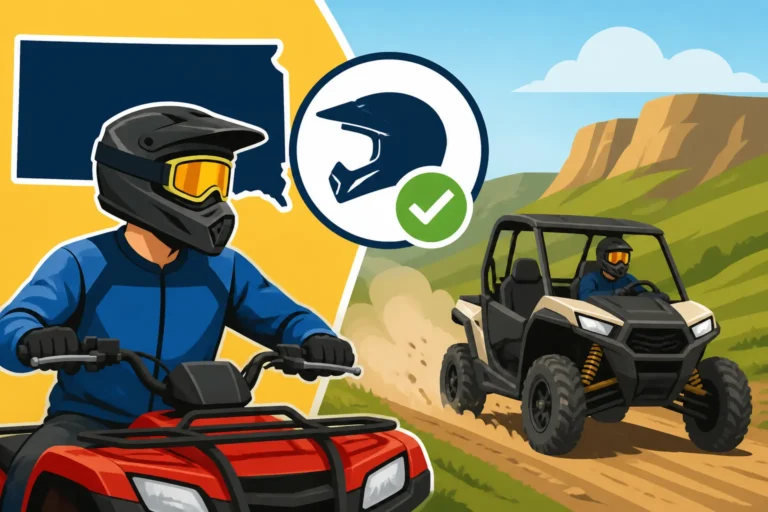
When it comes to personal safety gear, South Dakota has specific rules. For ATV and UTV riders, a helmet is generally required for anyone under the age of 18. This means if you have a child (12-17 years old) riding in a ditch, even with adult supervision, they must be wearing a properly fitted helmet. For adults aged 18 and older, helmets are not legally mandated for ATV/UTV operation in South Dakota. However, regardless of age, eye protection is required for all riders. This could be goggles, a face shield on a helmet, or even a windscreen on your UTV. [South Dakota Helmet Law for ATV Riders] and [South Dakota Eye Protection Requirement] clearly outline these rules. While adults might not have to wear a helmet, it's always a wise choice for safety, especially when navigating the unpredictable terrain often found in ditches. Remember, even a low-speed tip-over can result in serious injury.
Enforcement and Penalties
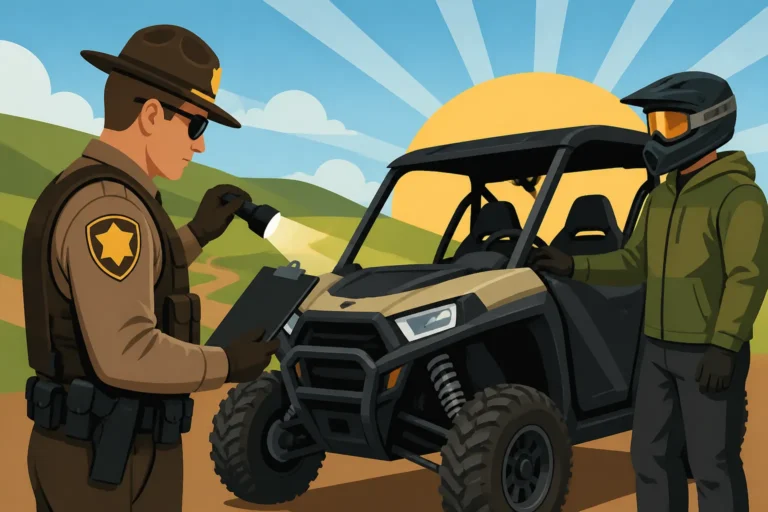
Ignoring the rules, whether it's riding in an opted-out county, failing to have proper equipment when needed, or allowing an underage rider to operate unsupervised, can lead to consequences. Law enforcement, including county sheriffs and state troopers, do patrol these areas. If you're found to be in violation of local or state ORV laws, you could face fines. These penalties can vary depending on the specific offense and the county. For instance, riding in a ditch in a county that has banned it, or operating without the necessary age or supervision, could result in a citation. [South Dakota Fines for Illegal ATV Road Use] explains what you might expect. It's not just about the monetary cost, though; illegal operation can also lead to your machine being impounded or, in serious cases, other legal troubles. The best approach is to always err on the side of caution, know the local rules, and equip yourself and your machine appropriately.
Navigating the Ditch: Best Practices for Responsible Riding
Being a responsible rider in South Dakota's ditches means more than just adhering to the letter of the law; it means practicing good judgment, being courteous to others, and maintaining the privilege that ditch riding affords. Here are some best practices to ensure your rides are safe, enjoyable, and sustainable for everyone.
| Aspect of Ditch Riding | County Has NOT Opted Out (Legal by Default) | County HAS Opted Out (Ditch Riding Banned) |
|---|---|---|
| General Riding | Permitted in ditch, bottom, and back-slope. | Prohibited in ditch, bottom, and back-slope. |
| Highway Crossing | Generally permitted, cross perpendicular, yield to traffic. | Generally permitted, cross perpendicular, yield to traffic. |
| Required Signage | No specific prohibitory signs needed, but [Regulatory Signs a South Dakota County Must Post] may indicate other rules. | Required at reasonable intervals where roads enter county or ditches are accessed. |
| Minimum Age | 12 years old with 18+ adult supervision; 18+ can ride unsupervised. | Same as above (applies to crossing or other legal ORV operation). |
| Agricultural/Utility | Exemptions apply when performing work-related tasks. | Exemptions apply when performing work-related tasks. |
| Eye Protection | Required for all riders. | Required for all riders (if operating legally). |
| Helmet (Under 18) | Required. | Required (if operating legally). |
| Road-Legal Equipment | Recommended for safety, essential for any intended road use/crossing. | Recommended for safety, essential for any intended road use/crossing. |
Respecting Private Property and Landowners
The ditches run alongside roads that often border private land. Even if you're legally in the ditch, you are not permitted to veer off into someone's field, pasture, or yard without explicit permission. [South Dakota Landowner Permission Rules] are very clear on this. Trespassing is a serious offense, and it can quickly jeopardize the goodwill between riders and landowners. Always be aware of property lines, which are often marked by fences, distinct changes in land use, or signage. If you're unsure, assume it's private and stay in the public right-of-way. Keeping gates closed behind you, avoiding damage to crops or fences, and generally showing respect for the land are not just courtesies; they are crucial for maintaining access for all riders.
Being Mindful of Environmental Impact
Riding in ditches, especially after heavy rains or during certain seasons, can lead to rutting, erosion, and damage to vegetation. While the state permits ditch riding, responsible riders take steps to minimize their environmental footprint. Avoid riding in excessively muddy conditions if possible, stick to established paths within the ditch when they exist, and refrain from tearing up sensitive areas. This is particularly true in areas with delicate ecosystems or those prone to erosion. The goal is to keep these areas rideable and pleasant for everyone, including hikers, cyclists, and wildlife.
Sharing the Space with Other Users
Roadside ditches aren't exclusively for ATVs and UTVs. You might encounter pedestrians, cyclists, farmers on equipment, or even equestrians. Always reduce your speed, be prepared to stop, and give plenty of space to other users. A quick wave and a friendly demeanor go a long way in fostering a positive image for ORV enthusiasts. Dust, noise, and speed can be nuisances to others, so be considerate, especially near homes or in populated areas. Your actions reflect on the entire riding community, so be a good ambassador for South Dakota's vibrant ATV/UTV culture.
Staying Informed and Prepared
The rules can change, counties can opt in or out, and conditions can vary dramatically. Before heading out, especially if you're exploring a new area, take a few minutes to check the county's website or call their administration office to confirm the current status of ditch riding rules. Having a basic understanding of your machine's capabilities, carrying essential tools, a first-aid kit, and being aware of weather conditions are all parts of being a prepared rider. For longer rides, consider [Carrying Fuel on a South Dakota Ride]. Knowledge is your best safety gear, allowing you to ride confidently and legally across South Dakota's diverse landscapes.
Disclaimer
This article is for general informational purposes only and does not constitute professional advice. Laws, prices and regulations vary by location and change over time. Consult a qualified professional for guidance on your specific situation.